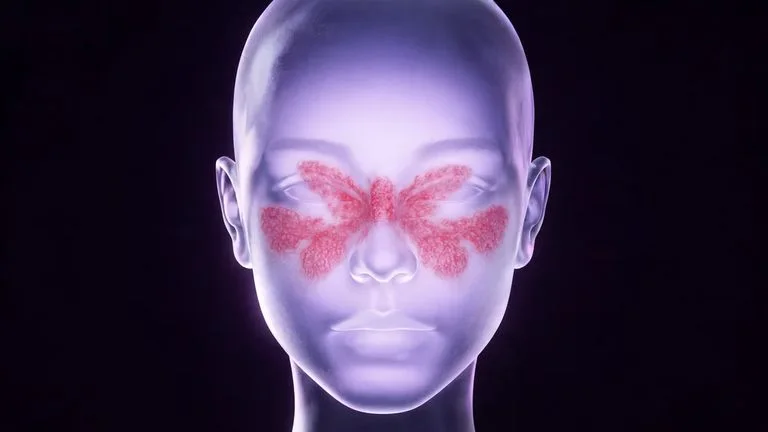
Butterfly rash on the face
Looks likeRed patches over both cheeks and the bridge of the nose. Often worse after sunlight. Usually not itchy.
Also watch forJoint pain, mouth ulcers, hair fall, tiredness
Some rashes are a sign that the immune system is attacking the skin. They are often treated as allergies for years. This page shows the difference in simple words and pictures.
Reviewed by Dr. Yogitha Chennupati, Rheumatology & Clinical Immunology · November 2026
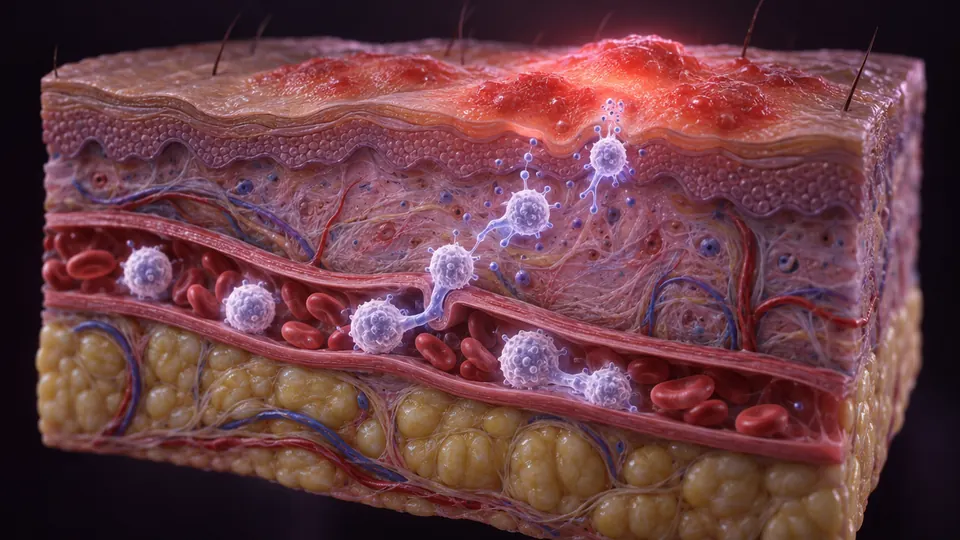
An allergy is the body reacting to something from outside. An immune attack comes from inside: the body's defence system targets its own skin. They can look alike, but they behave differently.
Caused by something outside: a food, medicine, soap, dust or an insect bite.
The immune system attacks the body's own skin, blood vessels or deeper tissue.
3D pictures of eight common patterns. A rash may look different on darker skin: redness can look brown, purple or darker than the skin around it.
Red patches over both cheeks and the bridge of the nose. Often worse after sunlight. Usually not itchy.
Also watch forJoint pain, mouth ulcers, hair fall, tiredness
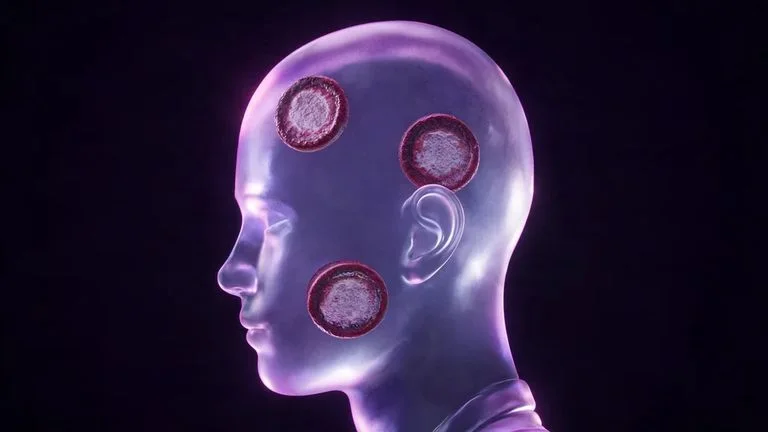
Thick, round, red patches on the face, ears or scalp that heal with scars, dark marks or bald spots.
Also watch forIt can stay only on the skin, or come with lupus inside the body
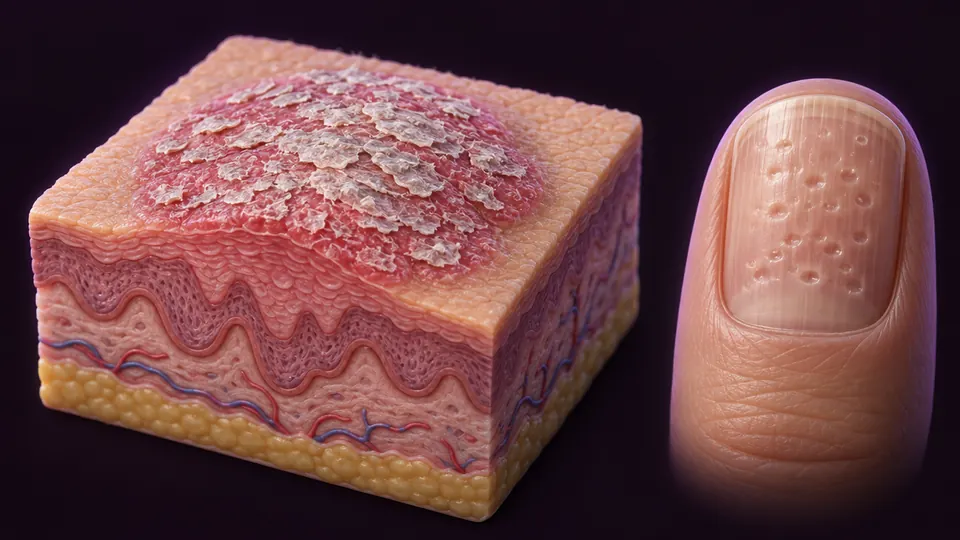
Raised red patches with silvery scales on elbows, knees, scalp or behind the ears. Nails may have small pits.
Also watch forA swollen finger or toe, heel pain, back pain

Small raised purple-red spots on the lower legs. They don't fade when you press a glass on them.
Also watch forFever, joint pain, stomach pain, blood in urine, numbness

A purple-pink colour on the upper eyelids, or red, rough bumps over the knuckles.
Also watch forWeak shoulders and thighs, difficulty swallowing
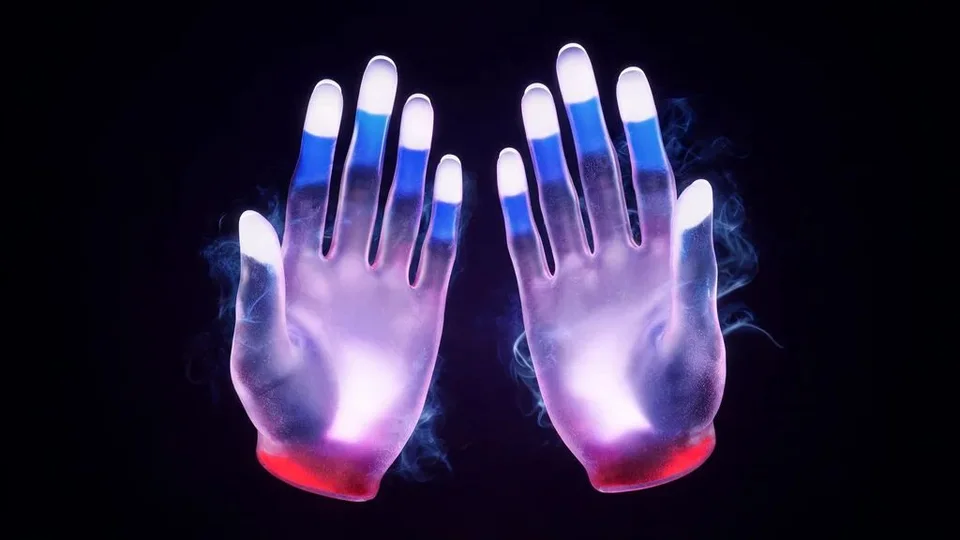
Fingers turn white, then blue, then red in the cold or with stress. The skin of the fingers may feel tight.
Also watch forFingertip sores, heartburn, breathlessness
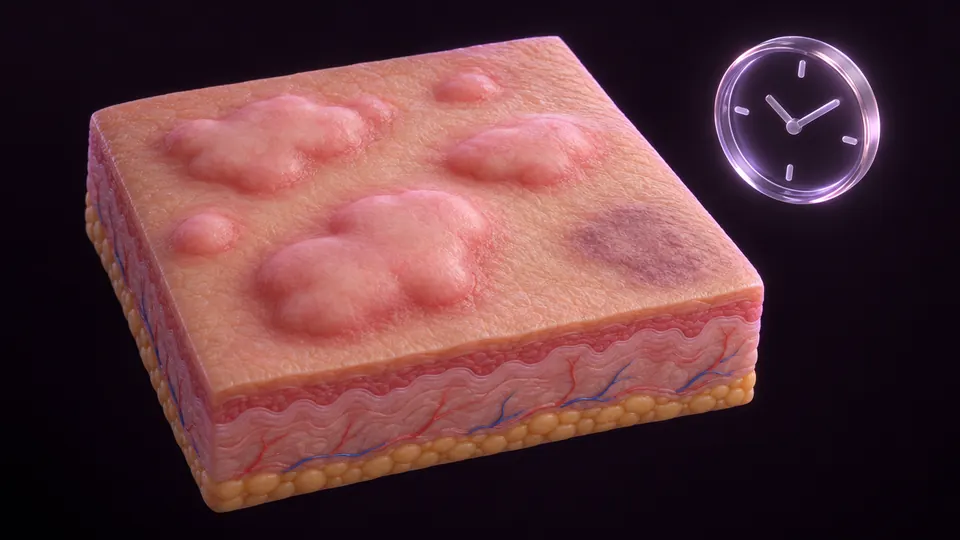
Raised welts that itch or burn. Allergy hives fade within hours. Hives that stay over 24 hours, or leave a bruise, need checking.
Also watch forJoint pain, fever, or hives on most days for more than 6 weeks
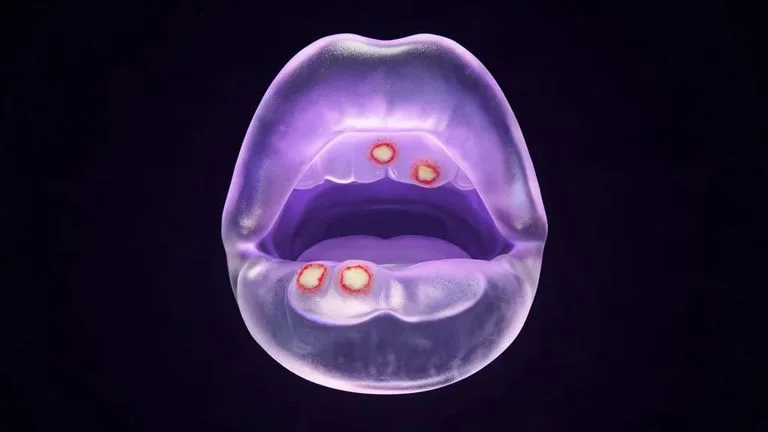
Painful ulcers in the mouth that return again and again, sometimes also on the genitals.
Also watch forRed painful eyes, skin bumps, joint pain
Pictures and drawings only, to show the pattern. Please don't diagnose yourself from pictures. Show your rash to a doctor.
Choose a condition to see the skin signs it can cause. The pictures are 3D illustrations, not real patients.
Red patches over both cheeks and the bridge of the nose. The folds beside the nose are usually spared. Often worse after sunlight.
Thick round patches with a dark edge and a pale centre on the face, ears or scalp. They can leave scars, dark marks or bald spots.
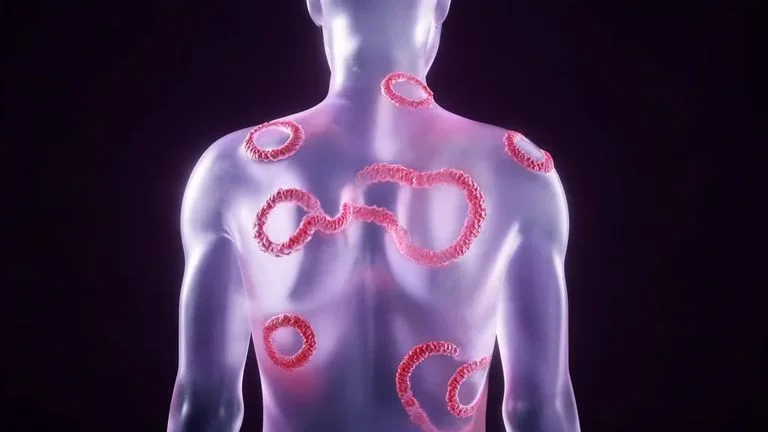
Red rings with a scaly edge on the upper back, shoulders, chest or arms, on skin that sees the sun. They usually heal without scars.
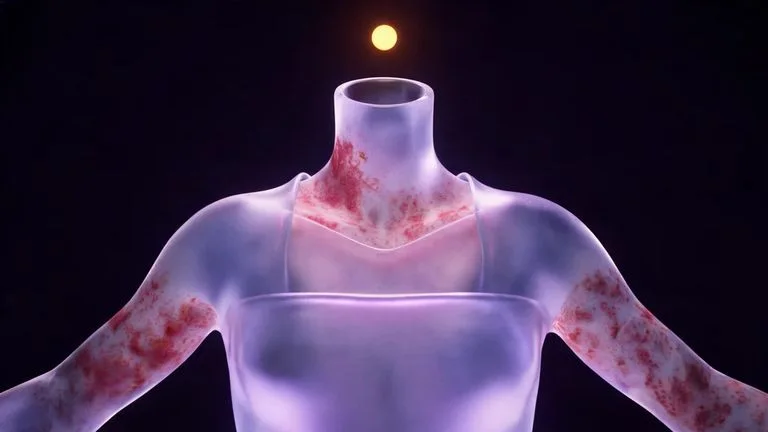
Redness on the neck, the V of the chest and the forearms after time in the sun. It stops where clothing covered the skin.

Thinning hair and short broken hairs along the front hairline. It often grows back once lupus is controlled.
Ulcers on the roof of the mouth or inside the cheeks and lips. In lupus they are often painless, so they can go unnoticed.
A violet colour on the upper eyelids, often with puffiness.
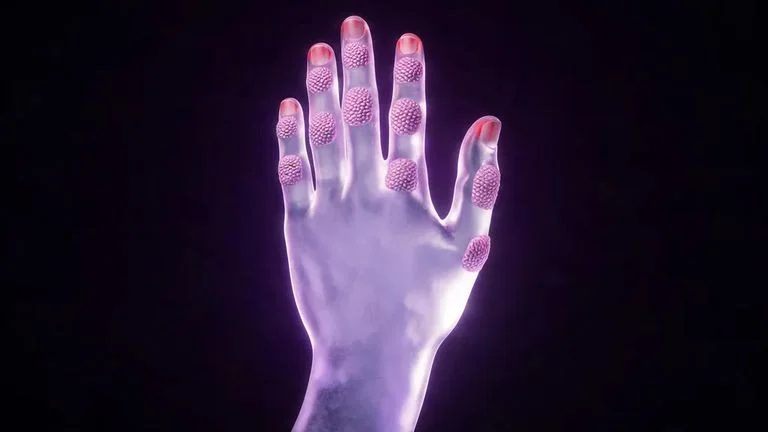
Flat violet-red bumps or scaly patches over the knuckles and finger joints.
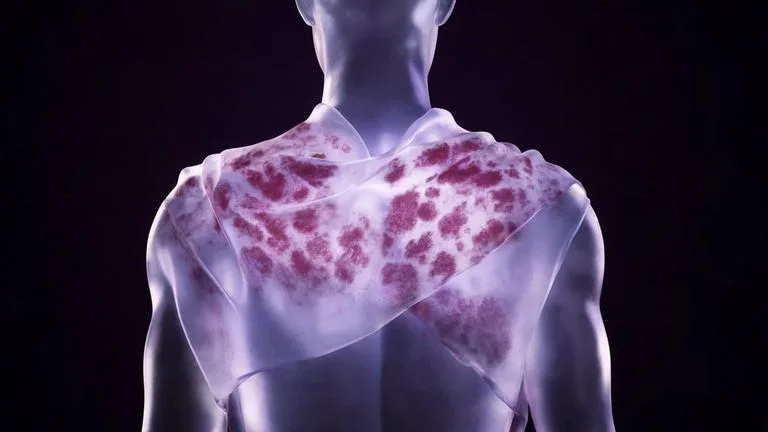
A dusky red rash over the shoulders and upper back, where a shawl would sit. A similar V-shaped rash can appear on the chest.
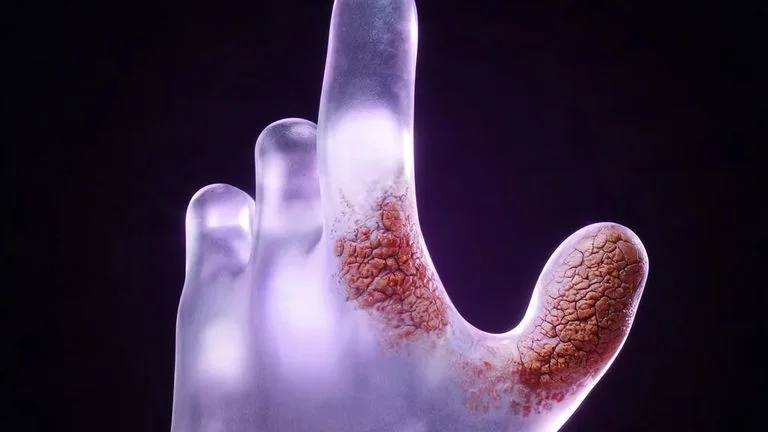
Thick, rough, cracked skin along the sides of the fingers. It can come with lung involvement, so it needs a check.
Fingers turn white, then blue, then red in the cold or with stress. Often the first sign.
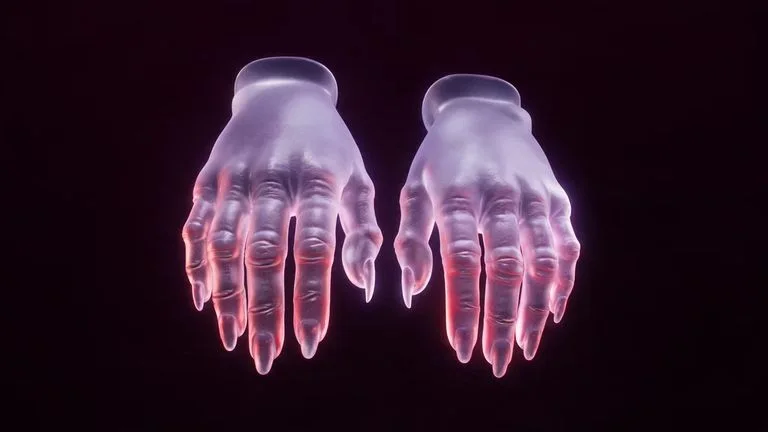
Fingers first look puffy. Later the skin becomes tight and shiny, and the fingers may not straighten fully.
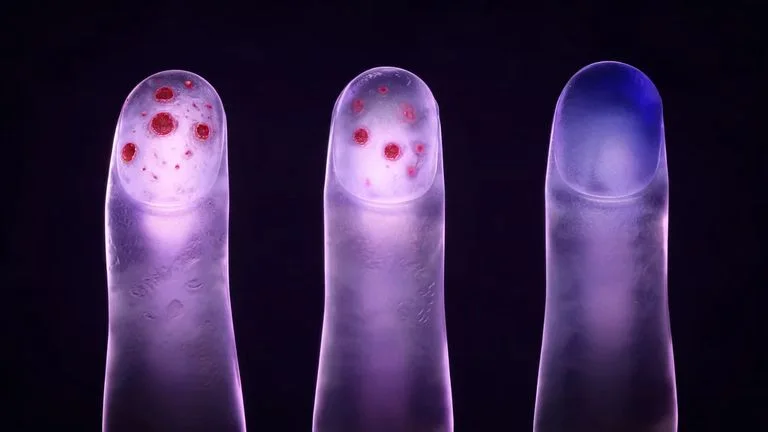
Small painful sores or pitted scars on the fingertips, from poor blood flow.
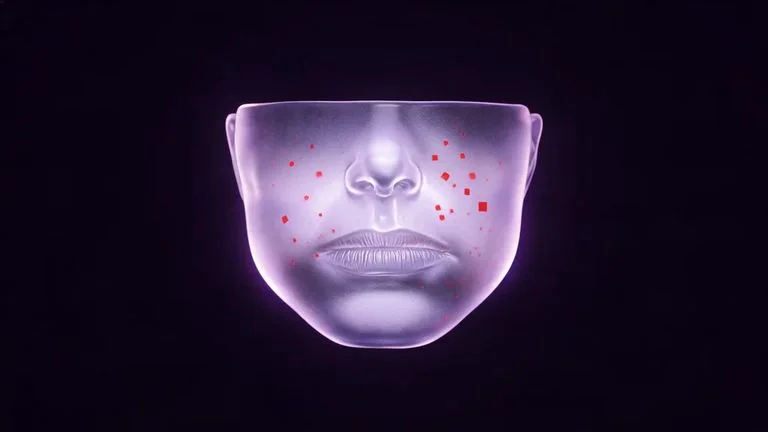
Small flat red spots of widened tiny blood vessels on the face, lips and hands.

Hard white calcium deposits on the fingers, elbows or knees that can break through the skin.
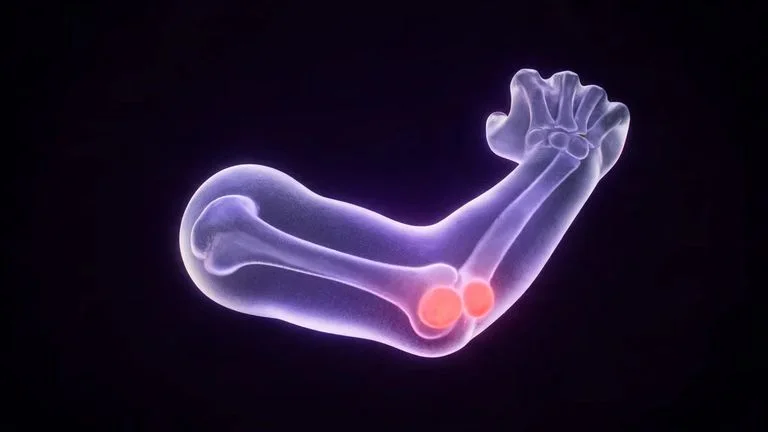
Firm, usually painless lumps under the skin near the elbow or over the finger joints.
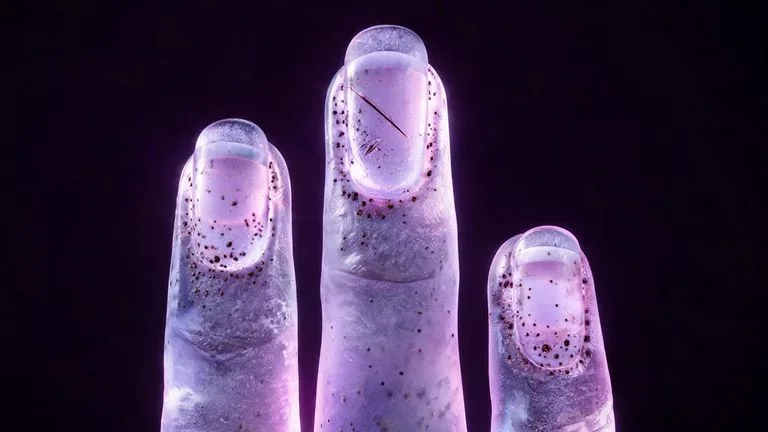
Small dark dots around the nails can mean the tiny blood vessels are inflamed. This needs a prompt review.
Small raised purple-red spots on the legs that don't fade when you press a glass on them.
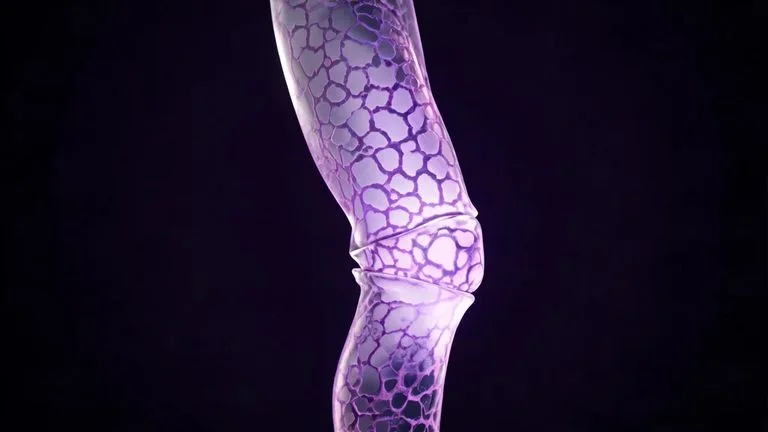
A lacy purple pattern on the thighs or legs that stays even when the skin is warm. Also seen in antiphospholipid syndrome.
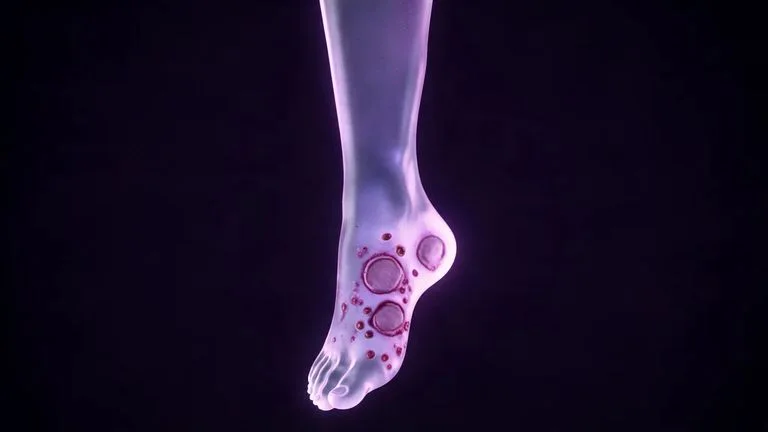
Sores near the ankles with dusky purple edges that heal slowly.
Welts that stay longer than 24 hours, burn rather than itch, or leave a bruise-like mark.
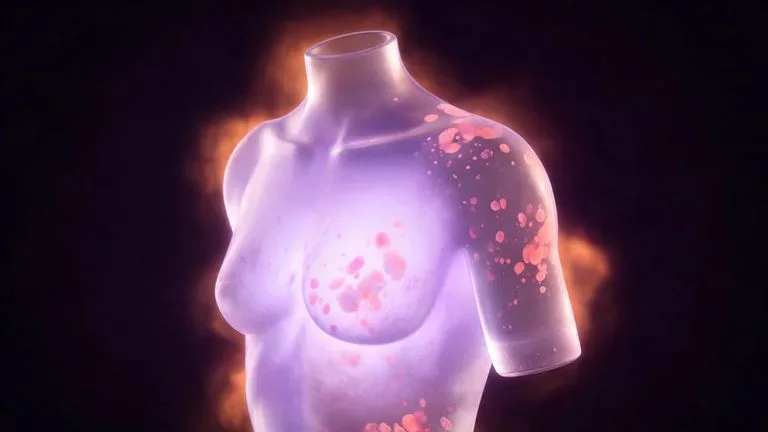
A faint salmon-pink rash on the trunk and arms that comes with high evening fevers and fades as the fever settles. Often with a sore throat and joint pain.
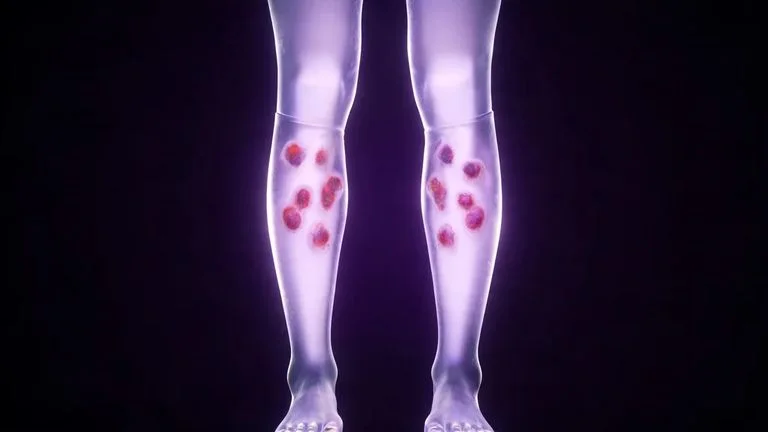
Painful red-purple lumps on both shins, often with fever, swollen ankles and joint pain.
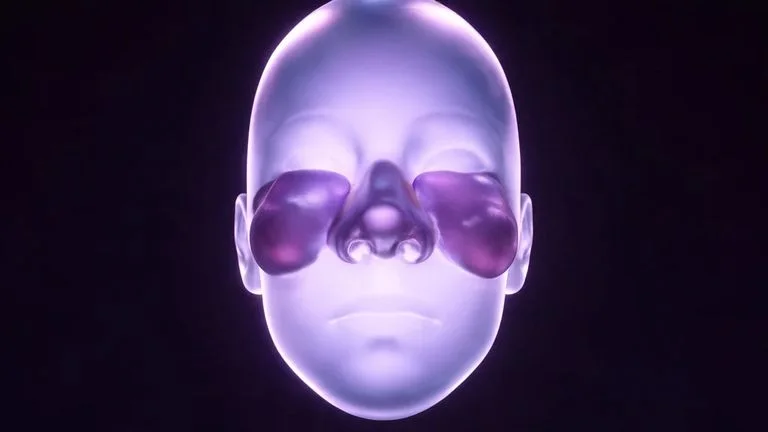
Firm, shiny purple swelling over the nose and cheeks. It can go with sarcoidosis in the lungs and sinuses.
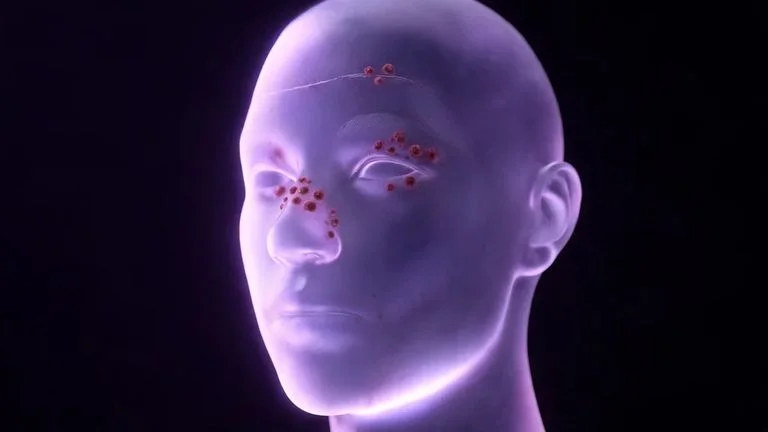
Firm red-brown bumps around the nose and eyes, or in old scars and tattoos.
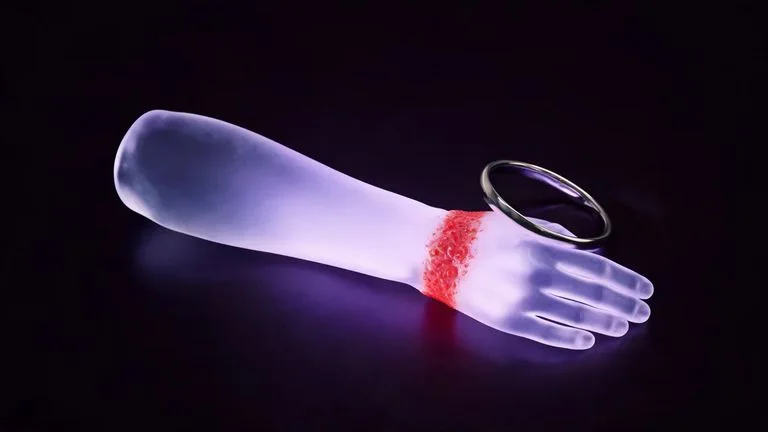
An itchy rash only where something touched the skin, such as a metal bangle, watch, footwear or hair dye. It fades when the trigger is avoided.
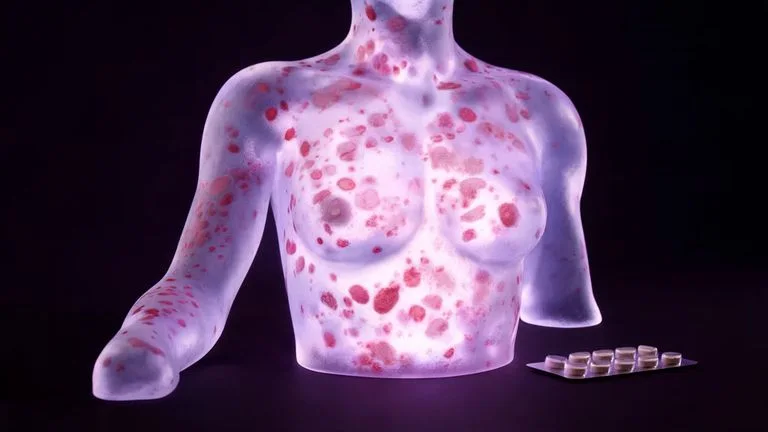
Many small red spots spreading over the body days after starting a new medicine. Tell your doctor. Blisters, peeling skin or mouth sores are an emergency.
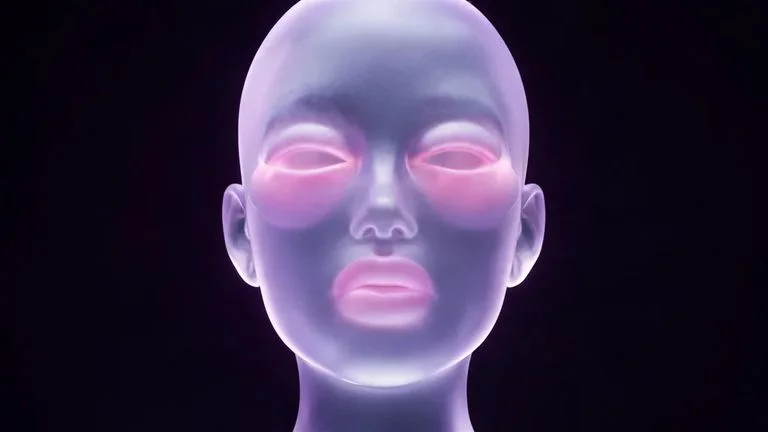
Puffy lips or eyelids within minutes of a food, medicine or sting. Trouble breathing or swallowing is an emergency: call 108.
3D illustrations to show the pattern. A rash can look different on your skin. Please show any lasting rash to a doctor.
When a rash is treated on its own, the bigger picture can be missed. Each step looks small. Together, they can cost years.
It is called an allergy. A cream or tablet is given.
More creams, more allergy tests, but no clear answer.
Joint pain, mouth ulcers, hair fall or tiredness are each treated separately.
Kidneys, lungs or blood vessels may be harmed, sometimes without any pain.
Your immune system travels everywhere in your body. When it attacks by mistake, the skin may be only one of the places affected. Tap a part of the body to learn more.
Tap everything that applies to you. Your answers stay on your phone. At the end you will see whether your rash is worth an immune assessment.
Think about the rash over the last few months.
Immune conditions rarely stop at the skin.
These point more towards an allergy.
Tick these only if they are happening now.
This check is for awareness only. It is not a diagnosis, and it doesn't replace an examination.